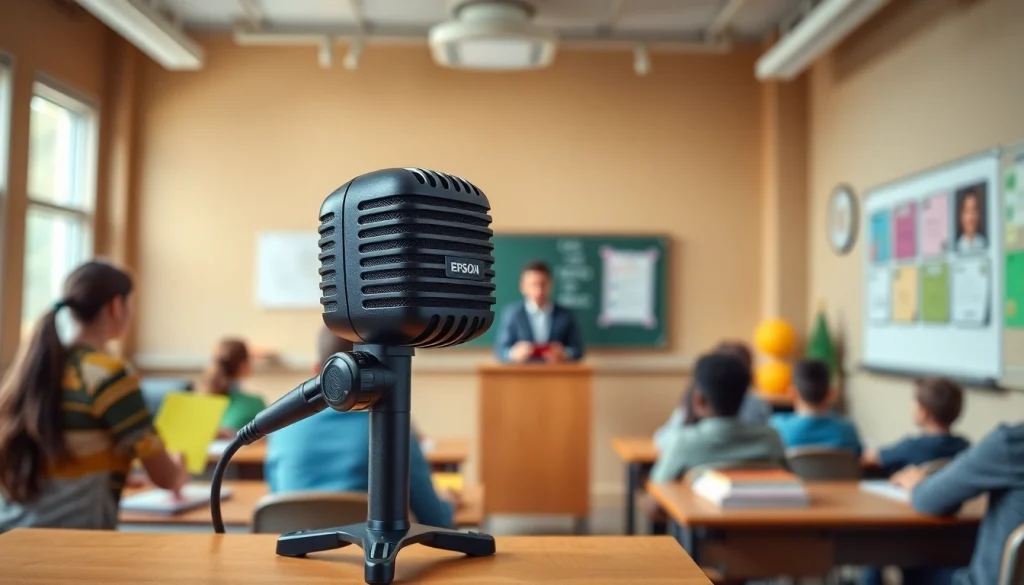
Understanding the Microphone Epson: Features and Benefits
When it comes to delivering effective presentations in educational or corporate settings, the importance of sound cannot be overstated. The microphone epson stands out as a vital tool that significantly enhances audio clarity and overall communication. Designed primarily for use with Epson projectors, its innovative features cater to the needs of educators, speakers, and presenters alike. In this article, we will explore the unique aspects of the Microphone Epson, illustrate its benefits, provide setup guidance, outline best practices, and compare it to other models on the market.
What Makes the Microphone Epson Stand Out?
The Microphone Epson is tailored for optimal compatibility with Epson’s lineup of projectors, ensuring that users can enjoy seamless integration when setting up for a presentation. Key aspects that set this microphone apart include:
- Infrared Technology: The Wireless Pendant Microphone utilizes infrared technology to ensure clear audio transmission, reducing interference from other devices.
- User-Friendly Setup: Designed with ease of use in mind, the Microphone Epson allows for quick and straightforward setup, making it suitable for both tech-savvy individuals and those with limited experience.
- Portability: Lightweight and easy to wear, the pendant microphone is ideal for users who need to move freely while maintaining excellent audio quality.
Key Features Explained
Several features contribute to the Microphone Epson’s effectiveness and user satisfaction:
- Wireless Connectivity: The microphone connects wirelessly to compatible Epson projectors, eliminating the need for cumbersome cords and enabling greater mobility during presentations.
- Durable Design: Built to withstand regular use, the microphone’s quality materials and construction ensure it can endure the rigors of daily presentations.
- Rechargeable Battery: The integrated rechargeable battery offers long-lasting performance, allowing for extended usage without the need for frequent charging interruptions.
Benefits for Educational Environments
The Microphone Epson is particularly advantageous for educational settings. Here are a few ways it enhances learning experiences:
- Improved Communication: With crisp sound quality, teachers can ensure every word is heard by students, improving comprehension and engagement.
- Reduced Vocal Strain: Utilizing a microphone allows educators to project their voices without straining, helping to maintain vocal health.
- Greater Classroom Interaction: The microphone facilitates a more dynamic learning environment, encouraging students to participate without the barrier of not being able to hear the instructor.
Setting Up the Microphone Epson for Success
Unboxing and Initial Setup
Upon receiving the Microphone Epson, unboxing and initial setup is quite straightforward. Here’s how to do it:
- Carefully remove the microphone and accessories from the packaging, ensuring no components are left behind.
- Charge the microphone using the included USB cable until the indicator light signals that it is fully charged.
- Familiarize yourself with the microphone’s controls, including the power button, volume adjustment, and feedback indicators.
Connecting to Your Epson Projector
To connect the Microphone Epson to your projector:
- Power on the projector and ensure it’s set to the correct input source.
- Enable the microphone by pressing the power button for a few seconds until the LED light turns on.
- Follow the projector’s on-screen instructions to complete the pairing or connection process.
- Adjust the microphone’s volume as necessary using the on-device settings or projector menu.
Troubleshooting Common Setup Issues
While most setups are straightforward, sometimes issues arise. Here are common problems and their solutions:
- No Sound Output: Check if the microphone is turned on and that the volume settings on both the microphone and projector are adjusted appropriately.
- Connection Failure: Ensure the microphone’s battery is sufficiently charged, and try to reconnect if the projector fails to receive a signal.
- Audio Distortion: If you experience distortion, check for nearby electronic devices that might be causing interference and relocate them or the microphone to minimize this!
Best Practices for Using Microphone Epson
Maximizing Sound Quality During Presentations
Achieving optimal sound quality with the Microphone Epson requires attention to detail:
- Positioning: Place the microphone within a few inches of your mouth for the best audio capture. Avoid moving too far from the microphone while speaking.
- Testing Audio Levels: Before starting a presentation, conduct a quick sound check to adjust levels and test clarity.
- Avoid Background Noise: Use the microphone in quieter environments to prevent ambient sound from detracting from your message.
Techniques for Engaging Your Audience
To keep your audience engaged during presentations, consider these techniques:
- Varying Your Tone: Use different vocal inflections to emphasize key points and maintain interest.
- Encouraging Participation: Ask questions or invite audience members to interact to foster a more inclusive atmosphere.
- Utilizing Visual Aids: Combine your verbal presentation with visual aids to reinforce your points effectively.
Maintaining Your Microphone
Proper maintenance ensures long-term functionality:
- Regular Cleaning: Clean the microphone grill and windscreen occasionally to avoid buildup of dust and debris.
- Battery Management: Regularly check the battery life and charge as needed, especially before important presentations.
- Storage: Store the microphone in a protective case when not in use to safeguard it against accidental damage.
Advanced Features of the Microphone Epson
Utilizing Wireless Capabilities
The wireless feature of the Microphone Epson enhances mobility and convenience:
- Range of Operation: The microphone operates effectively at a range suitable for classroom or large meeting spaces, allowing freedom of movement.
- Dual-Channel Transmission: Some models offer the option to switch channels, minimizing interference and enhancing auditory clarity.
Remote Control and Settings Customization
Many users appreciate the ability to customize settings:
- Remote Control Access: Use the microphone’s remote features to adjust settings without needing to access the projector directly.
- Preset Audio Levels: Save preferred audio levels for quick access in future presentations, reducing setup time drastically.
Understanding the Specifications for Optimal Performance
Familiarizing yourself with the technical specifications can help you optimize usage:
- Frequency Response: Knowing the frequency range can help adjust the microphone for capturing various vocal tones.
- Signal-to-Noise Ratio: A higher ratio often means clearer sound quality and less background noise interference.
Comparing Microphone Epson with Other Models
How Does Microphone Epson Compare in the Market?
To determine if the Microphone Epson is the right choice for you, compare it with similar models in the market:
- Quality and Price: Evaluate the price in relation to the build quality and features offered compared to other brands.
- Brand Reputation: Consider user feedback and professional reviews of other models in conjunction with Epson’s established credibility.
Evaluating User Feedback and Reviews
User feedback can provide invaluable insights into the performance and reliability of the microphone:
- Performance Reviews: Look for common themes in user experiences, especially regarding durability, sound quality, and ease of use.
- Customer Support Insights: Assess how well other brands handle support inquiries in comparison to Epson’s customer service reputation.
Making the Best Choice for Your Needs
Ultimately, selecting the right microphone involves several considerations:
- Usage Scenario: Determine whether you need a microphone primarily for educational, corporate, or personal use and choose accordingly.
- Budget Consideration: Weigh the costs of potential options against the features that each model offers to find the best balance.
- Trial and Feedback: Where possible, test the microphone before purchasing, or check user feedback on audio forums and review sites.