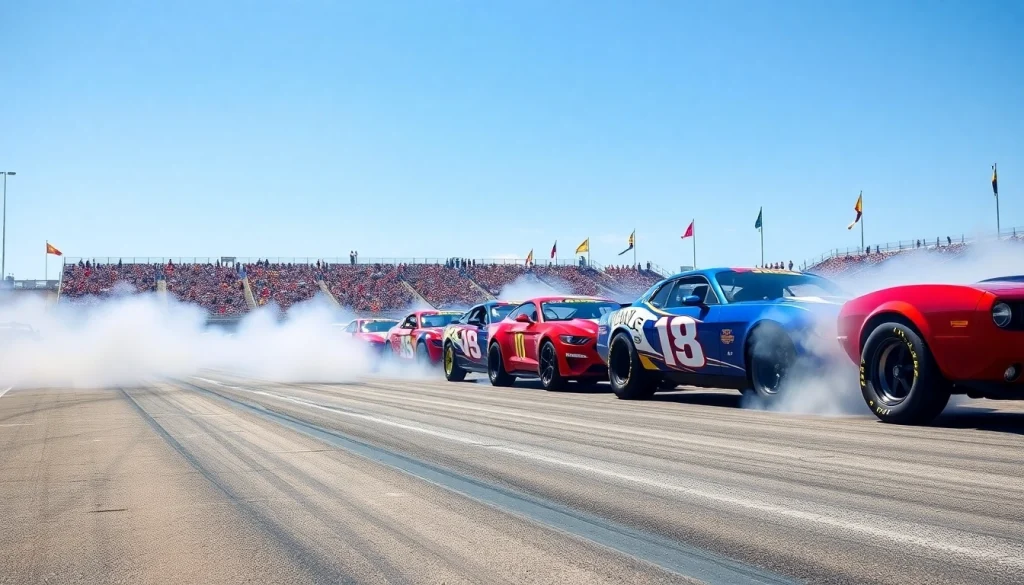
Understanding Drag Racing
Drag racing is a form of motor racing in which automobiles or motorcycles compete against one another, typically in pairs, to be the first to cross a designated finish line. This exciting sport captures the adrenaline and thrill of speed, making it immensely popular across the globe. The vibrant community surrounding drag racing, coupled with various events and competitions, provides enthusiasts with a unique culture and shared passion. From Drag Racing forums to elite racing organizations such as the NHRA, there’s no shortage of avenues for those interested in the high-octane world of drag racing.
What is Drag Racing?
Drag racing essentially pits two competitors against each other in a straight-line speed sprint over a measured distance, traditionally a quarter-mile (1,320 feet). The format is straightforward but demands a high level of precision and skill from drivers and their teams. Races are timed, with the winner being the driver who crosses the finish line first. The involvement of various factors, including vehicle performance, track conditions, and driver reaction times, makes every race unique. Engines roar and tires squeal as racers launch their vehicles from a standing start, giving spectators a thrilling avenue to witness automotive excellence in action.
History and Evolution of Drag Racing
Drag racing has a rich history that can be traced back to the 1930s and 1940s in Southern California. The sport originally took place on public roads as informal competitions between car enthusiasts. With the increasing number of participants and the associated dangers of street racing, dedicated racetracks began to emerge. The post-World War II era saw a boom in drag racing, aided by the return of veterans who brought back speed-driven innovations from military technology. Organizations like the National Hot Rod Association (NHRA) were founded in 1951 to formalize the sport, creating rules and regulations that transformed drag racing into the structured, thrilling spectacle we know today.
Types of Drag Racing Vehicles
The diversity of vehicles competing in drag racing is one of the sport’s most captivating aspects. Vehicles fall into several classes based on their performance, modifications, and engine types. Key categories include:
- Top Fuel: These are the fastest and most powerful vehicles in drag racing, capable of reaching speeds over 330 mph in mere seconds. They utilize nitromethane fuel and can produce over 11,000 horsepower.
- Funny Car: Similar to Top Fuel, Funny Cars have their engines built into the chassis and utilize an aerodynamic body for extremely high speeds.
- Pro Stock: These racing machines resemble production cars and are designed for high performance while adhering to specific guidelines regarding engine size and specifications.
- Street Racing: This category includes heavily modified production vehicles competing on less formal levels, often attracting local participants and enthusiasts.
Key Techniques in Drag Racing
Launching for Maximum Acceleration
The start of a drag race is critical, and how well a driver launches can significantly affect their performance. The primary goal is to transfer the power generated by the engine to the track without spinning the tires or losing traction. Drivers utilize techniques such as “staging” to prepare at the starting line, carefully controlling throttle position and manipulating tire pressure to ensure optimum grip. Here are some strategies for achieving the perfect launch:
- Reaction Timing: The reaction time counts from the moment the green light illuminates until the vehicle begins to move. Drivers often practice and refine their reaction times to ensure a powerful yet controlled start.
- Tire Preparation: Proper tire preparation can include heating tires before a race and adjusting air pressure to maximize traction.
- Throttle Control: Managing throttle input during the initial launch is essential. A smoother throttle application can prevent wheel spin while enabling a faster takeoff.
Understanding Reaction Times
Reaction time is a critical component in drag racing and can be the difference between winning and losing. A race’s timer begins when the driver activates the starting beam with their front tires. Thus, the quicker a driver reacts, the better their chances of performing well. Here are some measures to improve reaction times:
- Practice: Regular practice at the track helps drivers get accustomed to the starting procedure and improve their timing.
- Mental Preparation: Visualization techniques and mental rehearsals before a race can help instill confidence and sharpen focus.
- Performance Metrics: Drivers can benefit from analyzing past races, focusing on their reaction times and identifying areas for improvement.
Optimal Gear Shifting Strategies
Gear shifting plays a pivotal role in maximizing vehicle acceleration during a drag race. The efficiency and timing of gear shifts can significantly impact a car’s performance and final speed at the finish line. Here are several best practices for gear shifting in drag racing:
- Shift Points: Knowing the optimal shift points for a vehicle is paramount. Drivers should explore their car’s powerband through testing to determine when to shift for maximum power delivery.
- Automatic vs. Manual: While many racers prefer manual transmission for its control, automatic transmissions with performance tuning can yield exceptional results if calibrated correctly.
- Smooth Shifts: Practicing smooth steering adjustments during gear shifts can prevent power loss, allowing tires to maintain traction while shifting.
Popular Drag Racing Events
Must-Attend Drag Racing Competitions
Competitors and enthusiasts alike flock to major drag racing events that showcase the best in the sport. Some notable events include:
- NHRA Mello Yello Drag Racing Series: This is a premier circuit featuring the fastest players in the drag racing world and culminating in an exciting championship.
- Street Outlaws: A popular televised street racing competition, often attracting massive attendance and showcasing underground racing culture.
- PDRA (Professional Drag Racers Association): PDRA provides a platform for drag racing enthusiasts and promotes various classes and events each season.
Local Drag Racing Tracks to Visit
In addition to national events, numerous local drag strips cater to enthusiasts and novice racers. These tracks offer opportunities for time trials, bracket racing, and fun runs, all aimed at fostering community and engagement among racers. Examples include:
- Pomona Raceway: Located in California, this historic drag strip hosts the NHRA Winternationals and other key events.
- Atlanta Dragway: This venue in Georgia is well-known for its competitive racing environment and community engagement.
- Maple Grove Raceway: Situated in Pennsylvania, this track regularly features divisional events and local racer competitions.
Seasonal Events and Tournaments
The drag racing calendar is packed with seasonal events, offering thrilling opportunities for both participants and spectators. Tournaments include:
- Winter Nationals: A part of the NHRA series, this event takes place in February and marks the beginning of the racing season.
- Summer Nationals: Held mid-year, this event provides a platform for drivers to showcase improvements and innovations in their vehicles.
- World Finals: The season culminates in this grand event, determining the champions in various racing categories.
Building a Drag Racing Vehicle
Essential Modifications for Speed
Constructing a competitive drag racing vehicle involves more than just basic modifications. Enthusiasts focus on a variety of elements to enhance speed and performance. Key modifications include:
- Engine Tuning: Optimizing engine performance through upgrades such as camshaft changes, new intake manifolds, and fuel system enhancements can dramatically improve power output.
- Weight Reduction: An effective way to increase speed is to decrease the overall weight of the vehicle. This can be accomplished through lightweight materials or the removal of non-essential components.
- Aerodynamics: Enhancements such as spoilers and diffusers can improve the airflow around the vehicle, reducing drag and enhancing speeds.
Tuning Your Engine for Performance
Engine tuning is crucial in drag racing, as power output and reliability are essential for quick runs. Key tuning tips involve:
- ECU Remapping: Utilizing an engine control unit (ECU) to remap fuel and ignition timing can tailor performance based on vehicle specs and competition needs.
- Dyno Testing: Running dyno tests provide insights into the power and torque curves, enabling racers to tweak performance for maximum efficiency.
- Fuel Selection: Choosing the right fuel can enhance performance. For example, high-octane fuels often produce better results in powerful drag racing setups.
Choosing the Right Tires and Suspension
The selection of tires and suspension plays a significant role in the vehicle’s performance on the drag strip. Here are some considerations:
- Tires: Drag radials are specifically designed for drag racing, offering a blend of grip and durability during high-speed runs.
- Suspension: The suspension setup should optimize weight transfer during launches to improve traction. Adjustable shock absorbers and a solid rear axle are common choices in drag setups.
Safety and Regulations in Drag Racing
Understanding Safety Gear Requirements
Safety is paramount in drag racing, both for drivers and spectators. Various safety gear is mandated in drag racing, including:
- Helmets: A high-quality racing helmet is essential, providing protection against head injuries.
- Fire Suits: These specialized suits are designed to be flame-resistant and are crucial for driver protection in the event of a fire.
- Safety Harnesses: A multi-point harness secures the driver within the vehicle during high-speed runs, reducing the risk of injury from vertical forces.
Important Regulations to Follow
Competitors must familiarize themselves with drag racing regulations established by local and national racing organizations. Non-compliance can result in disqualification. Key regulations include:
- Vehicle Specifications: Each class of drag racing has specific rules regarding modifications, engine specs, and necessary equipment.
- Safety Inspections: Prior to racing, vehicles must undergo inspections to ensure compliance with safety standards.
- Driver Licensing: Drivers often need a valid racing license, obtained through formal training and competition in lower-class events.
Common Pitfalls and How to Avoid Them
Even seasoned racers can encounter challenges on the drag strip. Some common pitfalls include:
- Over-Tuning: Pushing a vehicle beyond its limits may lead to mechanical failures. It’s critical to balance performance with reliability.
- Poor Reaction Times: Underestimating the importance of reaction times can lead to losses. Consistent practice helps improve this area.
- Ignoring Track Conditions: Weather and track conditions can influence performance significantly. Drivers should adapt their strategies based on current conditions.